Cart
0
You may also like
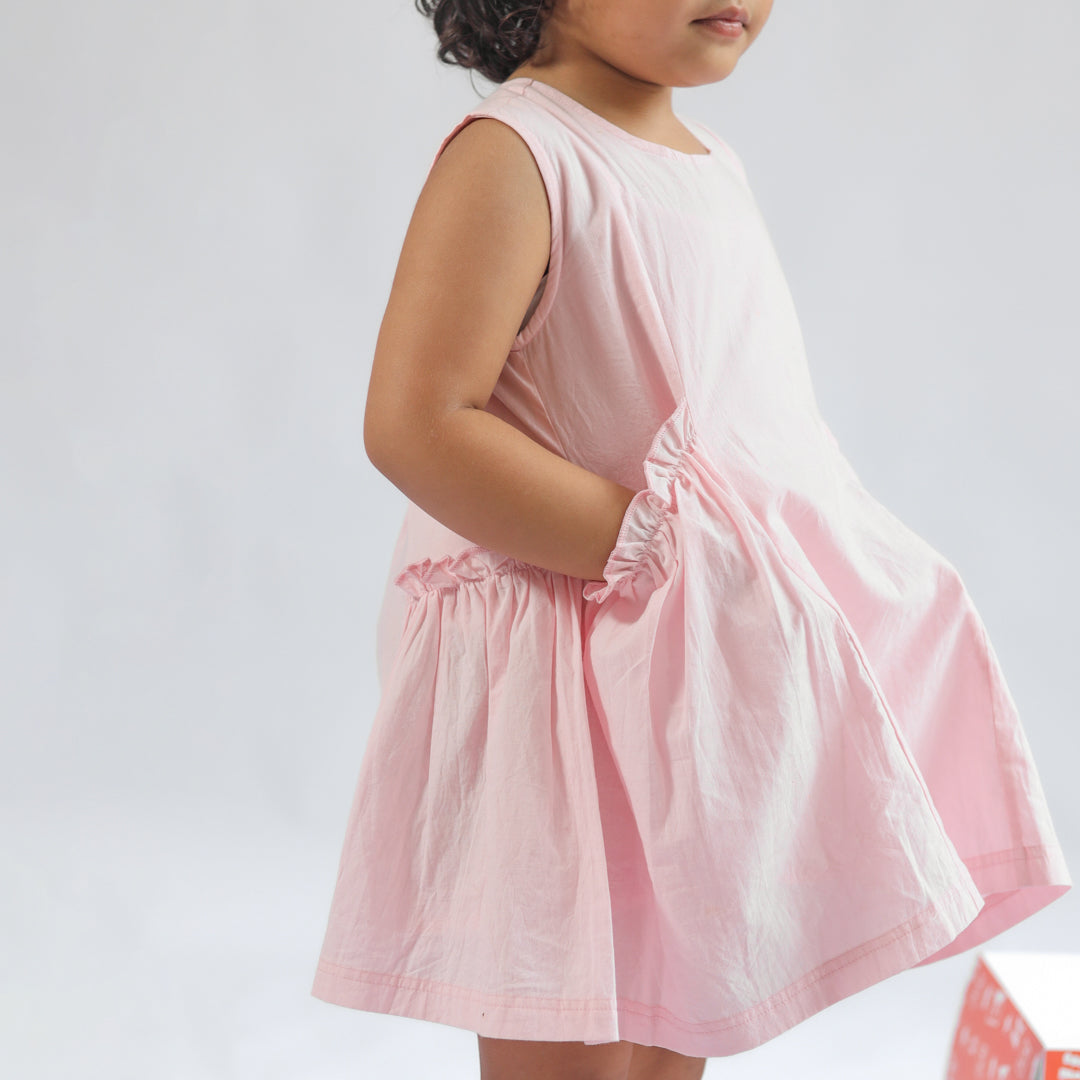
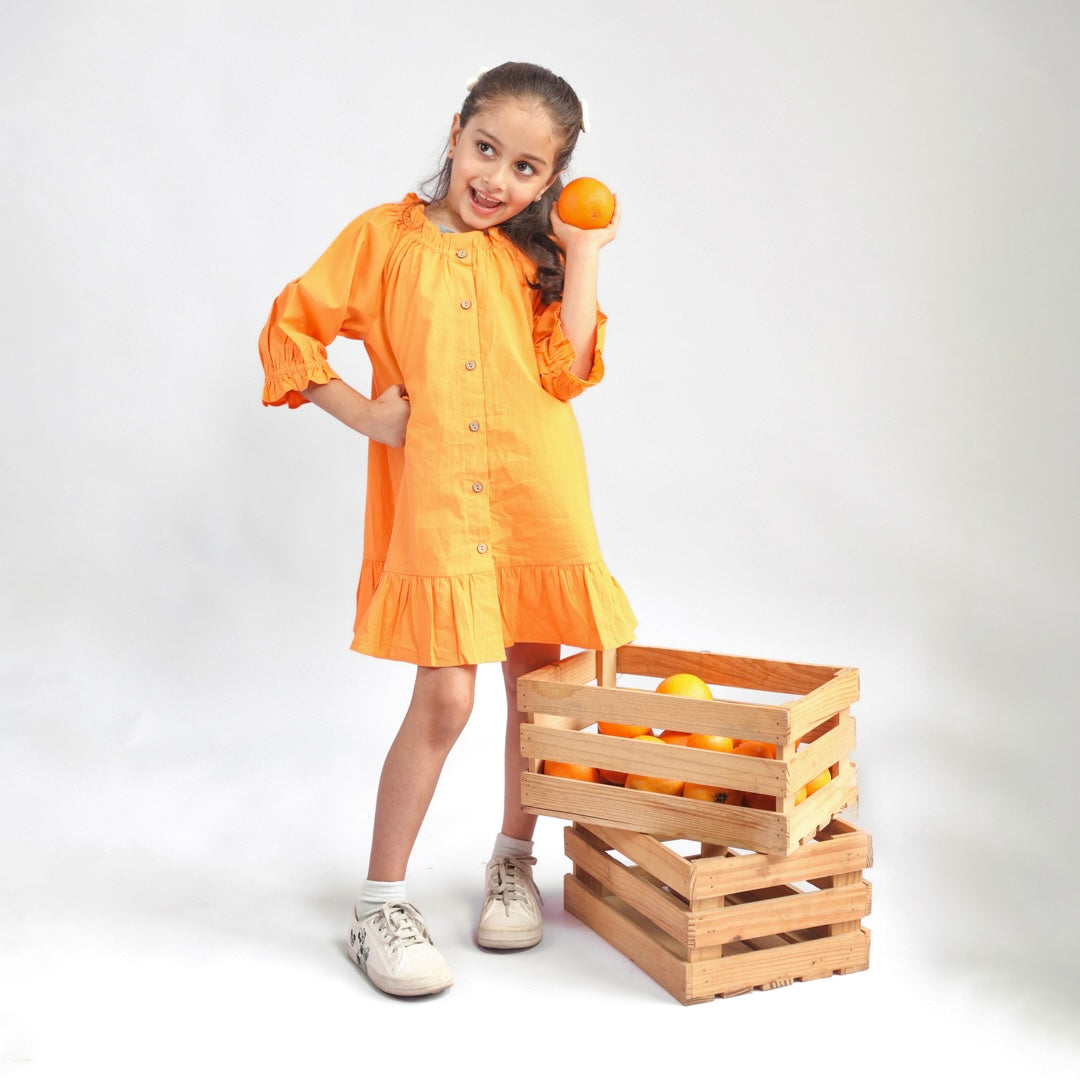
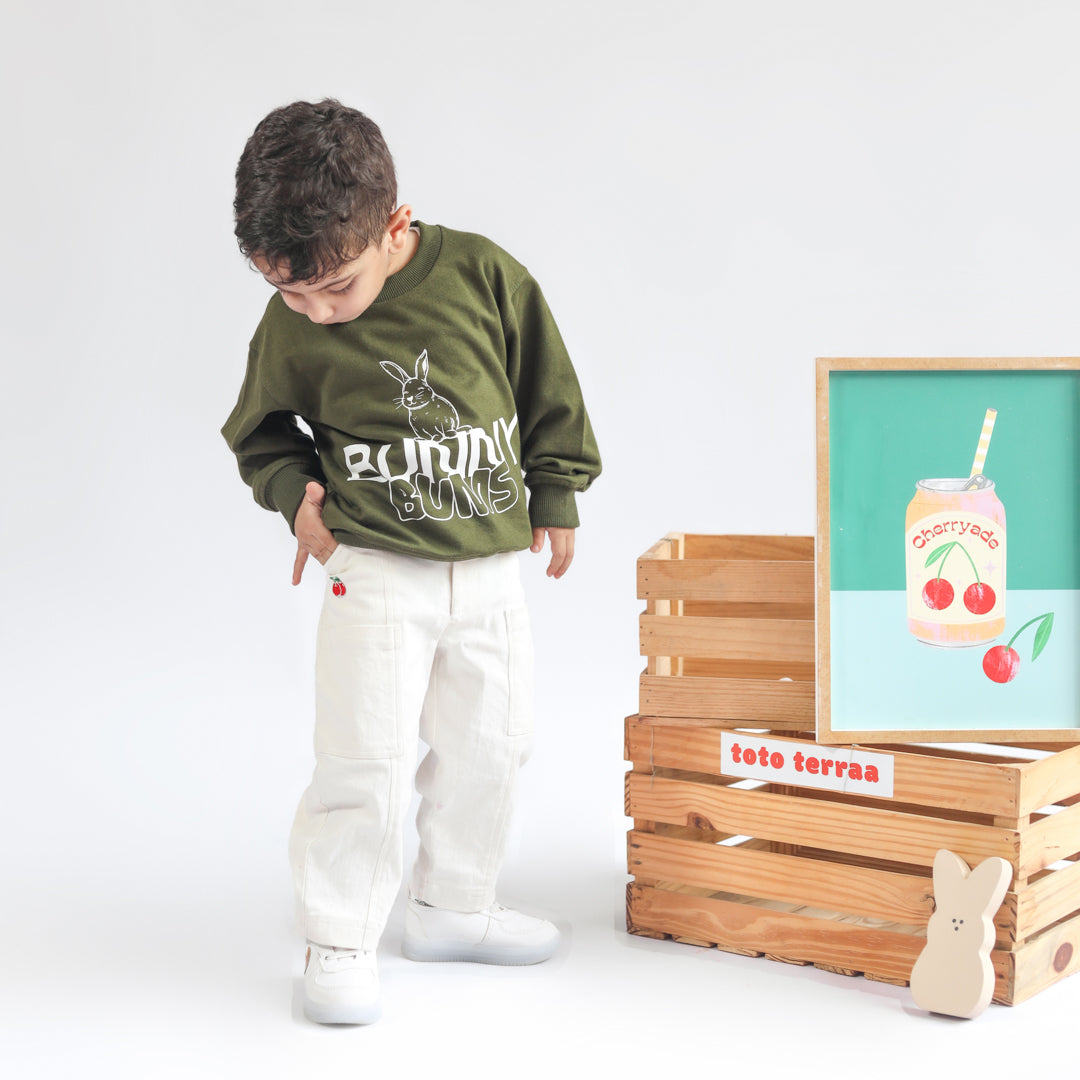


Active kids don’t test clothes gently. They climb before they look. They slide before they stop. They sit on floors, roll on grass, spill snacks, and repeat everything again the next day. For parents, durability in kidswear isn’t about how long a garment looks new. It’s about how well it survives real childhood.
Durable clothing doesn’t mean stiff or heavy. In fact, the most long-lasting kids clothes are often the ones that feel soft, flexible, and forgiving. When kidswear is designed around movement rather than appearance, durability follows naturally. Here’s a play-ready checklist that helps parents choose clothes that actually keep up with active kids.
The first thing to check is the fabric itself. Clothes for active kids should bend, stretch, and recover without thinning out or losing shape. Pure cotton fabrics perform especially well here because they absorb stress instead of resisting it.
When children move, fabric should move with them. Clothes that fight movement tear faster, pill sooner, and end up uncomfortable. This is why many parents move away from synthetic blends once they understand the value of natural fibres.
Durability begins with how fabric behaves under pressure, not how thick it feels on the hanger.
Seams tell the real story of durability. Weak stitching shows up first at shoulders, knees, and waistlines, especially in active children’s clothing. Look closely at how seams are finished. Reinforced stitching and clean seam construction often last far longer than decorative detailing.
Parents who want clothes that survive repeated washes and daily play often learn how to spot lasting quality early.
Strong seams quietly extend the life of a garment.
Clothes that are too snug tend to wear out faster because stress concentrates at specific points. A roomy, movement-friendly fit distributes that stress more evenly, reducing fabric fatigue.
Active kids need space at the knees, elbows, and shoulders. When clothes allow movement freely, children play longer and complain less. This connects directly to the idea of room-to-roam comfort, where clothing supports activity instead of interrupting it.
Durability improves when clothes are designed for how kids actually move.
Elastic waistbands, drawstrings, and buttons are often the first things to fail in kids clothes. For active wear, soft but resilient elastic works best. It stretches without rolling, snapping, or digging into the skin.
Parents frequently notice that joggers and play pants designed for comfort last longer simply because kids are not constantly adjusting them.
Comfort here directly supports durability.
Durable clothes should not demand complicated care. If a garment requires special washing or constant stain treatments, it will slowly fall out of rotation. Easy-care cotton clothing stays wearable because it recovers well after washing and handles everyday mess without stress.
Well-designed kidswear quietly anticipates this reality, choosing fabrics and finishes that tolerate regular washing without losing shape or softness. This approach is reflected in how Toto Terraa designs everyday cotton clothing for children who move, play, and repeat the cycle daily. When clothes are easy to clean, parents allow more freedom during play. Clothes that stay in rotation naturally last longer.

Durable clothing changes how parents say yes. Yes to playgrounds. Yes to messy meals. Yes to art projects without fear. When clothes can handle real use, childhood becomes less restricted.
This philosophy underpins how thoughtful kidswear brands like Toto Terraa approach design today, focusing on longevity, comfort, and everyday usability rather than seasonal trends.
Durability is not just about fabric strength. It is about confidence, movement, and freedom.
Active kids don’t need tougher rules. They need tougher clothes that stay gentle.
When fabric is flexible, seams are strong, fits allow movement, waistbands stay comfortable, and care stays simple, clothes last longer and childhood feels freer.
That quiet balance of strength and softness is what defines truly play-ready kidswear. The best clothes don’t slow kids down. They keep up quietly, day after day.
Q1. How do I know if kids’ clothes are truly durable and not just thick?
Durability is less about thickness and more about how fabric behaves during movement. Clothes that feel flexible, recover their shape after stretching, and have strong seams tend to last longer than stiff or overly heavy garments.
Q2. Are cotton clothes durable enough for very active kids?
Yes, when the cotton is well-made. High-quality cotton absorbs stress from movement instead of resisting it, which reduces tearing and thinning over time. It also stays comfortable, so kids pull and adjust their clothes less.
Q3. Why do some kids’ clothes tear faster at knees and elbows?
Tears often happen when fits are too tight or fabric is rigid. Movement concentrates stress in small areas. Roomy, play-friendly fits distribute pressure more evenly and reduce early wear.
Q4. Do durable clothes need special washing or care?
No. In fact, clothes that require complicated care rarely stay in rotation. Durable kidswear should handle regular washing and everyday stains without losing shape or softness.
Q5. Is comfort really linked to durability?
Absolutely. When clothes are comfortable, kids tug, twist, and adjust them less. Less friction and pulling directly increases how long the garment lasts.


Free Shipping
Free shipping on every order

Fast Delivery
7-10 days delivery accross India

Easy Returns
Easy Returns and Refund Policies

